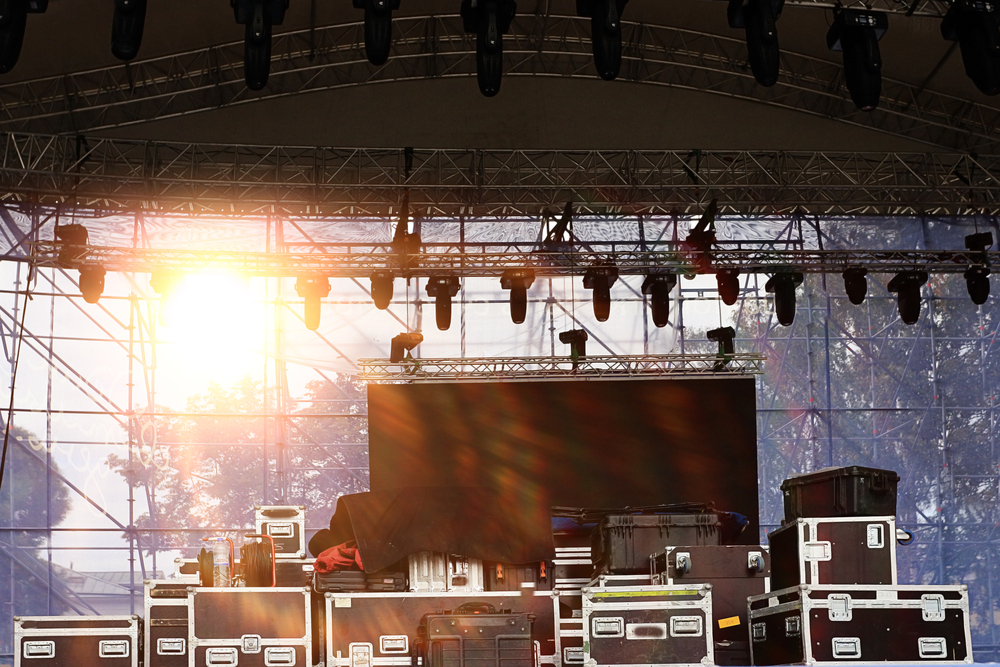
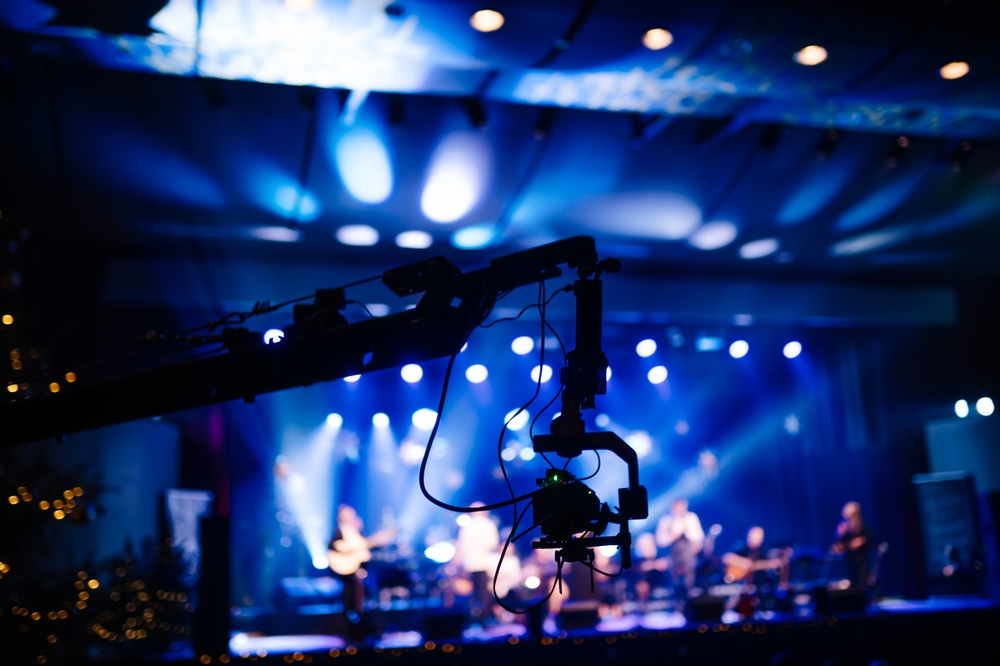
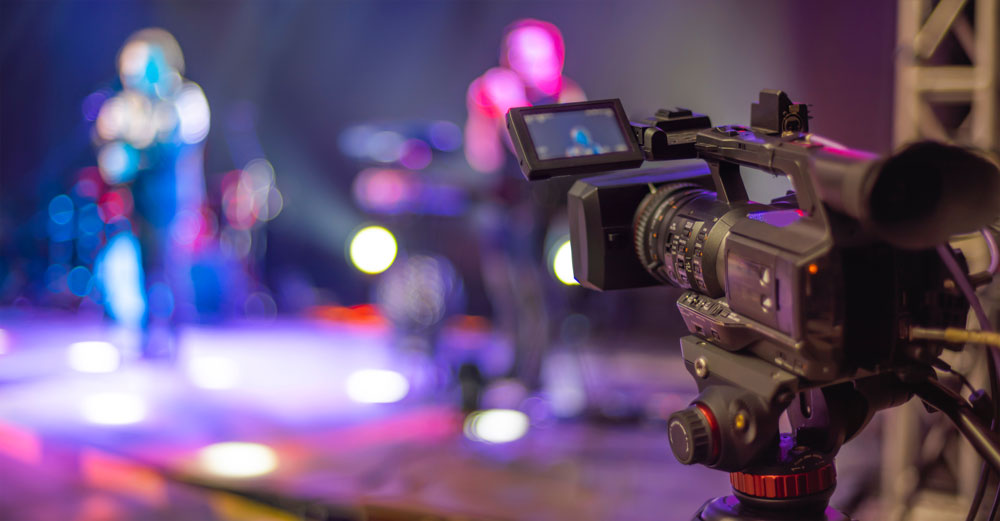
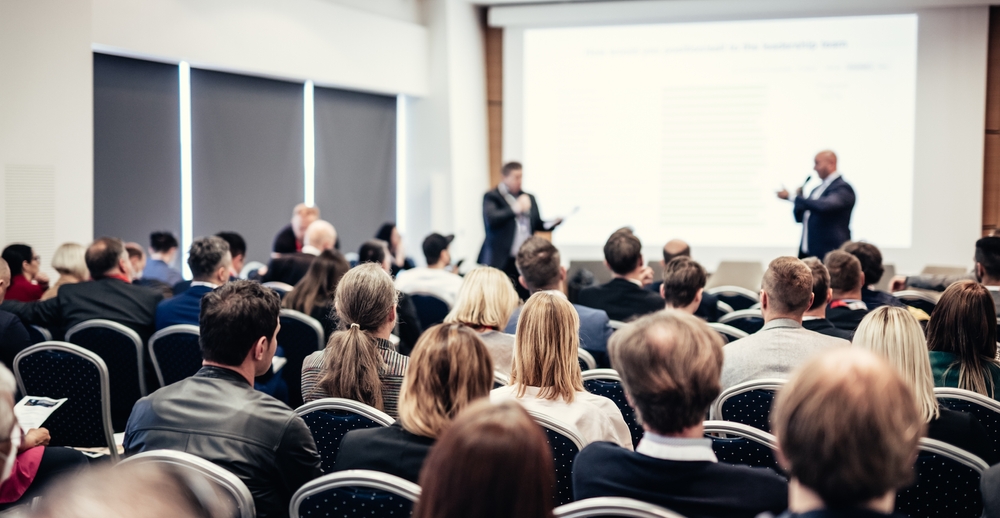
A live event can look effortless from the audience, but that polished experience is usually the result of careful preparation behind the scenes. For corporate meetings, community events, presentations, galas, performances, and other productions in Kennesaw, rehearsals give presenters and production crews an opportunity to solve problems before guests are watching.
Quick answer: Rehearsals matter in live event production because they allow the production team, presenters, performers, and event organizers to test timing, audio, video, lighting, cues, stage movements, and transitions before the program begins. A proper rehearsal reduces uncertainty, exposes technical or logistical issues, and helps everyone understand what should happen next during a live event.
What local event planners should know
A rehearsal is not simply a practice run for speakers. It is also a technical test for audio, video, lighting, presentations, microphones, and show cues.
Events around Kennesaw and Cobb County may involve several vendors, venue contacts, presenters, and production specialists who need to coordinate their responsibilities.
Presenters should practice entrances, exits, microphone use, slide changes, videos, and handoffs between speakers.
Outdoor and indoor events require different rehearsal considerations, especially when sound coverage, lighting conditions, weather, or guest movement may affect the program.
Even a short technical rehearsal can identify issues that would be much harder to correct once an audience is seated.
Why Are Rehearsals Important for Live Events in Kennesaw?
Rehearsals are important for live events in Kennesaw because they turn an event plan into a coordinated, tested production before the audience arrives. They give everyone involved an opportunity to confirm timing, responsibilities, technology, and transitions while changes can still be made without disrupting the guest experience.
Kennesaw supports a varied event environment that includes corporate gatherings, university-related functions, community programs, performances, conferences, nonprofit events, and private celebrations. Nearby Marietta, Acworth, Town Center, and other parts of Cobb County add even more venues and event activity to the region.
That variety means no two event spaces operate exactly the same way. A ballroom presentation may require precise screen and microphone coordination. An outdoor program may require additional sound checks. A conference could involve multiple speakers, videos, presentation computers, and stage changes.
Entertainment Marketing Innovations, LLC understands that successful live production depends on more than bringing equipment into a venue. We use rehearsals and pre-event checks to help the people, technology, and event schedule work together as one production.
What Happens During a Live Event Rehearsal?
A live event rehearsal tests the actual sequence of the program, including speaker movements, technical cues, presentations, audio, video, lighting, and transitions. The goal is to identify anything that could interrupt the planned flow and give the production team time to correct it before doors open.
A rehearsal may include checking microphones for each presenter, confirming presentation files, reviewing video playback, testing walk-on music, practicing stage entrances, adjusting lighting, and verifying who will give each production cue.
For events near Kennesaw State University, Town Center, downtown Kennesaw, or elsewhere in Cobb County, venue layouts can also affect how presenters enter the room, where equipment can be positioned, and how the production team communicates.
The rehearsal creates a shared understanding of the show rather than requiring each person to guess what happens next.
What Problems Can Rehearsals Catch Before an Event?
Rehearsals can uncover technical, timing, communication, and staging problems before those problems become visible to the audience. Some issues are difficult to recognize from an event schedule alone because they only become apparent when the equipment is operating and people begin moving through the program.
Common warning signs include:
A presenter’s microphone level is too low or too loud.
Presentation slides display incorrectly or use an unexpected format.
A video does not play smoothly or does not provide the expected audio.
Speakers are uncertain about when to walk on or off stage.
Lighting changes occur too early or too late.
A transition between presenters creates an uncomfortable period of silence.
The production crew does not have a clear cue for a major program element.
The planned schedule does not allow enough time for a physical stage change.
Finding these issues during rehearsal gives the team options. Finding them during the live program forces the team to solve them while the audience waits.
How Do Rehearsals Improve Audio and Video Production?
Rehearsals improve audio and video production by testing equipment under conditions that closely resemble the actual event. A microphone can technically work while still needing adjustment, and a presentation can open correctly while still displaying poorly on the screens used in the venue.
During an audio check, we can evaluate speech levels, microphone placement, playback sources, and potential feedback concerns. Presenters can also learn how to hold or use microphones correctly before stepping in front of attendees.
Video rehearsals can confirm presentation formatting, playback cues, confidence monitors, screen content, and any video sources included in the production.
This preparation is especially useful when an event includes remote speakers, multiple laptops, prerecorded videos, awards content, sponsor graphics, or frequent presentation changes.
When Should You Schedule a Rehearsal?
A rehearsal should be scheduled early enough to leave time for meaningful corrections but close enough to the event that the final program, presenters, and production setup are available. The right timing depends on the complexity of the show and how much access the venue provides before guests arrive.
For a straightforward Kennesaw business presentation, a technical check before the event may be sufficient. A conference, gala, awards program, performance, or production involving several speakers and media cues generally benefits from a more structured rehearsal.
Event organizers should allow additional time when the program includes:
Multiple presenters or performers
Several microphones
Video playback
Detailed lighting cues
Walk-on or walk-off music
Livestreaming
Remote participants
Panel discussions
Awards or stage presentations
Frequent changes between speakers
Venue access also matters. Build rehearsal time into the production schedule rather than assuming there will be extra time after setup.
What Commonly Causes Live Event Problems?
Live event problems commonly come from untested technology, unclear responsibilities, late program changes, missing content, and assumptions about how the venue will operate. Rehearsals reduce these risks by requiring the event plan to work in real conditions instead of existing only on paper.
In a busy Cobb County production environment, presenters may be arriving from Atlanta, Marietta, Acworth, or other nearby communities. Some may see the venue for the first time on the day of the event.
A speaker who has never walked onto the stage may not know where to stand. A person advancing slides may not know when a video appears. A production operator may not know that a presenter plans to leave the stage for a demonstration.
Rehearsal turns those unknowns into decisions.
What Can Event Organizers Do Before Rehearsal?
Event organizers can make rehearsal more productive by finalizing the program, collecting media, identifying presenters, and communicating technical requirements before arriving at the venue. The more complete the information is, the more accurately the production team can test the event.
Before rehearsal, organizers should:
Confirm the latest event schedule.
Gather final presentation files.
Identify every speaker and performer.
Confirm which presenters need microphones.
Provide videos and other playback content.
Note any special entrances, awards, demonstrations, or stage changes.
Identify the person authorized to approve last-minute program decisions.
We can then focus rehearsal time on the actual production rather than searching for missing information.
What Results Should You Expect From a Good Rehearsal?
A good rehearsal should produce a clearer, smoother, and more predictable event, although it cannot eliminate every unexpected situation. Presenters should know what is expected of them, production operators should understand their cues, and organizers should have confidence that the essential technical elements have been tested.
The biggest improvement is often coordination.
Instead of separate people managing slides, audio, video, speakers, and timing independently, the production begins functioning as one connected show.
That coordination helps create the polished experience audiences expect at professional events throughout Kennesaw and the surrounding Cobb County area.
What Are the Most Common Rehearsal Mistakes?
The most common rehearsal mistakes are skipping important participants, testing only the equipment, and making major changes without running the affected portion again. A rehearsal works best when it reflects the actual program closely enough to reveal where communication or production problems may occur.
Mistake: Testing microphones but not transitions. Consequence: The equipment works, but speakers do not know when to enter or leave. Better approach: Run important speaker handoffs along with the technical checks.
Mistake: Using placeholder presentation files. Consequence: Formatting or video problems may appear when the final file is loaded. Better approach: Provide finished content before the technical rehearsal whenever possible.
Mistake: Changing the program after rehearsal without telling production. Consequence: Operators may follow outdated cues. Better approach: Communicate every approved change to the production team.
Mistake: Leaving no time between rehearsal and guest arrival. Consequence: A discovered issue may be impossible to correct properly. Better approach: Build a reasonable correction window into the event-day schedule.
What Is a Common Kennesaw Live Event Scenario?
A common Kennesaw live event scenario involves a business program with several speakers, presentation slides, microphones, videos, and scheduled transitions between segments. Although everything may appear straightforward on the written agenda, the rehearsal often reveals small details that need clarification.
For example, one presenter may expect a video to begin automatically while the production operator is waiting for a verbal cue. Another speaker may plan to use a handheld microphone when the schedule indicates a different setup.
These are not necessarily major technical failures. They are communication gaps.
A rehearsal gives the people involved an opportunity to identify and resolve those gaps before attendees enter the room.
How Can Professional Live Event Production Support Rehearsals?
Professional live event production supports rehearsals by coordinating the technical systems and show cues that presenters and event organizers depend on during the program. Audio, video, lighting, staging, presentations, playback, and communication systems work best when they are planned and tested together.
We can help event planners think through the technical requirements before event day and use rehearsal time efficiently once the production setup is ready.
A full rehearsal is more comprehensive than a sound check because it tests the event flow as well as the equipment. A sound check may be appropriate for a simple program, while more complex events generally benefit from practicing the transitions and cues that connect individual technical elements.
A sound check answers, “Does the microphone work?”
A rehearsal goes further: “Does the right microphone work for the right person, at the right level, at the right moment in the program?”
For events with multiple speakers, videos, lighting cues, music, or stage movement, that distinction can make a noticeable difference.
Where Do We Support Live Events?
We support live event production for organizations in Kennesaw and the surrounding area, with production planning shaped around the venue and program requirements. Events throughout Cobb County may draw guests and presenters from Marietta, Acworth, Smyrna, Atlanta, and other nearby communities.
The specific production approach should always be based on the event rather than assuming every local venue requires the same setup.
What Can Happen When Rehearsal Is Skipped?
Skipping rehearsal can leave preventable technical and logistical problems undiscovered until the event is already underway. The consequences may include awkward delays, incorrect media, missed cues, confused presenters, inconsistent audio, or program changes that the production team did not receive.
The risk becomes greater as an event gains more speakers, media sources, technical systems, and moving parts.
Rehearsal is therefore less about trying to make an event perfect and more about reducing avoidable uncertainty.
How long should a live event rehearsal take in Kennesaw?
A live event rehearsal should be long enough to test every important technical cue and transition in the program. A simple presentation may only require a focused technical run-through, while a multi-speaker conference, gala, or performance can require substantially more rehearsal time. Production complexity should determine the schedule rather than an arbitrary time limit.
Does every Kennesaw event need a full rehearsal?
Not every Kennesaw event needs a complete start-to-finish rehearsal, but nearly every professionally produced event benefits from some form of technical check. Simple programs may only need microphones and presentations tested. Events involving several speakers, media elements, entertainment, or detailed cues generally benefit from a more structured rehearsal.
Should speakers attend the rehearsal?
Key speakers should attend the rehearsal whenever their participation involves technical cues, stage movement, media, or complicated transitions. Having presenters physically practice microphone use, entrances, exits, and presentation changes can reveal issues that cannot be identified by testing equipment without them.
Should we rehearse videos before a Cobb County event?
Yes, videos should be tested before a Cobb County event whenever they are part of the live program. The production team should confirm that the correct file plays, the image displays properly, the audio is available, and the cue for starting and ending the video is understood.
What is the difference between rehearsal and setup?
Setup prepares the equipment, while rehearsal tests how the equipment and people work together during the actual program. Cameras, microphones, screens, lighting, and other systems may all be installed correctly and still require rehearsal to confirm timing, presentation flow, stage movement, and production cues.
Can an outdoor event near Kennesaw benefit from rehearsal?
Yes, outdoor events near Kennesaw can benefit significantly from rehearsal because the production team must account for the actual event environment. Sound coverage, screen visibility, stage positioning, electrical requirements, presenter movement, and changing conditions can affect how the program works once guests are present.
What should presenters bring to a rehearsal in Kennesaw?
Presenters should bring the final versions of the materials they intend to use during the Kennesaw event whenever possible. That includes presentation files, videos, music, graphics, demonstration materials, and notes about special technical requirements. Using final content makes the rehearsal a more accurate test of the live program.
Can rehearsal prevent every live event problem?
No, rehearsal cannot prevent every unexpected event problem, but it can substantially reduce avoidable uncertainty. Equipment can still fail and programs can still change. The advantage of rehearsal is that the production team begins the event having already tested the planned systems, responsibilities, cues, and transitions.
Make Your Kennesaw Event Feel Prepared, Not Improvised
A successful live production depends on what happens before the audience sees the stage. Thoughtful rehearsal helps presenters, organizers, and production professionals enter the event with a shared plan and tested technical workflow.
Prepare for a Smoother Live Event in Kennesaw
We help event organizers coordinate the production details that support confident presentations and polished guest experiences.
A successful event in Lawrenceville depends on more than what guests can see from the audience. Behind lighting, video displays, speakers, scenic elements, and signage is often a support system that must be planned carefully before anyone enters the room. Truss and rigging are part of that hidden infrastructure, and safety should guide every decision involving suspended or elevated equipment.
Quick answer: Truss is the structural framework commonly used to support event equipment, while rigging refers to the hardware, methods, attachment points, and procedures used to lift, secure, or suspend that equipment. Clients do not need to become rigging experts, but they should understand load limits, approved attachment points, equipment condition, qualified personnel, venue requirements, and weather considerations before approving an event setup.
What local clients should know
Truss and rigging should be planned around the actual weight and placement of lighting, audio, video, scenic, and other equipment.
Indoor venues in Lawrenceville and elsewhere in Gwinnett County may have specific rules governing where and how equipment can be suspended.
Outdoor events require additional planning because Georgia thunderstorms can produce lightning, strong winds, hail, and rapidly changing conditions.
Adding equipment after a rigging plan is established can change load calculations and may require the setup to be reviewed again.
A professional-looking setup is not automatically a safe setup. Capacity, attachment methods, inspection, and load distribution matter even when everything appears secure.
Why Truss and Rigging Safety Matters in Lawrenceville
Truss and rigging safety matters in Lawrenceville because event equipment can create significant overhead loads, while local venues and Georgia weather introduce conditions that must be considered before installation begins. Safe planning protects event crews, performers, attendees, equipment, and the venue itself while reducing the chance of last-minute changes that can disrupt an event.
Lawrenceville events range from corporate programs and community gatherings to concerts, presentations, celebrations, and outdoor productions. Venues throughout Gwinnett County can also differ substantially in ceiling structure, available rigging points, room dimensions, access, and facility policies.
The broader local event market includes Downtown Lawrenceville as well as nearby Duluth, Suwanee, Buford, Snellville, and Norcross. Large event environments in the region, including the Gas South District in Duluth, also illustrate the variety of spaces available to planners across Gwinnett County.
Entertainment Marketing Innovations, LLC understands that clients are often focused on what the finished event will look and sound like. Our role in the planning conversation is also to keep attention on the structural and operational details that make the finished production possible.
What OSHA Guidance Tells Clients About Rigging
OSHA guidance reinforces a basic principle every client should understand: rigging equipment must be suitable for the load, properly identified, inspected, and removed from service when defects create a hazard. These requirements are technical responsibilities for the professionals performing the work, but they also explain why experienced crews may reject shortcuts that appear convenient.
OSHA requirements for rigging equipment used in covered material-handling activities include inspection before use and restrictions against exceeding recommended safe working loads. Identification markings showing rated capacity are also an important part of determining whether equipment is appropriate for the task.
For a client, the practical lesson is simple. A shackle, sling, connection, motor, truss section, or attachment point should not be selected because it merely “looks strong enough.” Rigging decisions should be based on known capacities, compatible components, appropriate procedures, and the requirements that apply to the particular installation.
How Rigging Decisions Affect a Local Event
Rigging decisions affect a local event by determining where equipment can safely be positioned, how much can be suspended, how the stage or room can be configured, and how much installation time may be required. Those decisions can influence production design long before the first fixture or speaker is installed.
Imagine planning a Lawrenceville corporate event with a large video display, decorative lighting, flown speakers, and branded scenic pieces. Each item has weight, and each supporting component also contributes weight. The location of those loads matters just as much as the total.
That is why changes made late in the planning process can create complications. Adding another display, moving a speaker position, increasing the number of fixtures, or changing a scenic element may alter the original assumptions behind the setup.
The safest approach is to communicate production requirements early enough for the appropriate professionals and venue representatives to evaluate them.
Warning Signs That a Rigging Plan Needs More Attention
A rigging plan needs more attention whenever load information, attachment points, equipment ratings, responsibilities, or environmental conditions are unclear. Clients do not have to diagnose technical problems themselves, but they should feel comfortable asking questions when important details appear unresolved.
Watch for these warning signs:
No one can clearly explain where suspended equipment will be attached.
Equipment weight has changed significantly since the original production plan was created.
Additional lighting, speakers, video equipment, or scenic pieces are being added at the last minute.
Rigging hardware has missing or unreadable capacity markings.
A venue has not yet approved the proposed attachment locations or procedures when its approval is required.
Outdoor truss is being discussed without a clear weather and wind-response plan.
Different vendors appear uncertain about who is responsible for particular suspended elements.
Crew members are being pressured to continue despite an unresolved safety concern.
A delay caused by additional review is preferable to treating an uncertain overhead installation as a routine production detail.
When Clients Should Rely on Rigging Professionals
Clients should rely on qualified professionals whenever equipment will be lifted, suspended overhead, attached to structural points, or installed in a configuration requiring load calculations or specialized rigging knowledge. Visual inspection by an event planner or client is not a substitute for the technical evaluation required for an overhead system.
Clients can safely participate by confirming equipment requirements, communicating design changes, allowing adequate setup time, and asking whether venue approval is needed.
Technical decisions involving rated capacities, load paths, structural attachment, hoisting equipment, rigging hardware, and specialized inspection belong with people who have the appropriate knowledge and responsibility for that work.
In Lawrenceville and throughout Gwinnett County, venue requirements should also be addressed early. A plan that works in one ballroom, theater, warehouse, outdoor site, or meeting space may not automatically work in another.
Common Factors That Shape a Rigging Plan
The most common factors shaping a rigging plan are equipment weight, load distribution, available attachment points, venue restrictions, production layout, installation access, and environmental conditions. Each factor can change what is practical and appropriate for a particular Lawrenceville event.
1. Total suspended weight: Lighting fixtures, speakers, LED displays, scenic elements, cabling, motors, hardware, and truss all contribute to the load.
2. Load placement: Two systems with the same total weight may create very different demands depending on where the weight is concentrated.
3. Venue structure: Approved attachment locations and allowable loads can differ by facility.
4. Equipment configuration: A simple lighting truss and a complex multi-point production system require different levels of planning.
5. Access and installation: Loading areas, ceiling height, lifts, stage location, and room scheduling can affect how safely and efficiently equipment is installed.
6. Weather: Outdoor productions in North Georgia require particular attention to changing conditions.
How Georgia Weather Changes Outdoor Rigging Safety
Georgia weather changes outdoor rigging safety because thunderstorms can bring lightning, strong winds, hail, and rapidly changing conditions that affect exposed event structures. Gwinnett County emergency preparedness guidance specifically identifies thunderstorms and lightning as local hazards and advises securing outdoor objects and moving indoors when thunderstorms threaten.
Spring and summer are especially relevant for outdoor events around Lawrenceville. A clear afternoon during load-in does not eliminate the possibility of changing conditions later in the day.
Weather planning should therefore be part of production planning rather than an improvised decision made after a storm arrives. Outdoor events need clearly understood responsibilities for monitoring conditions and responding when established safety thresholds or procedures require action.
Clients should also understand that production teams may need to lower equipment, secure an area, stop work, postpone activity, or clear an outdoor location when conditions become unsafe.
How to Reduce Rigging Problems Before Event Day
The best way to reduce rigging problems before event day is to finalize production requirements early, share accurate equipment information, coordinate with the venue, and avoid unreviewed last-minute additions. Good communication gives everyone involved more time to identify limitations before they become expensive or disruptive.
For events around Lawrenceville, clients can help by confirming the venue and room first, providing accurate schedules, identifying major production elements, and communicating design changes as soon as they happen.
A useful pre-event checklist includes confirming:
The final lighting, audio, video, and scenic requirements
The approximate locations of major production elements
Venue policies affecting rigging or overhead installation
Required approvals or documentation
Load-in and setup access
Outdoor weather procedures when applicable
Which vendor or party is responsible for each portion of the system
DIY should stop where structural loads, overhead suspension, hoisting, or specialized rigging decisions begin.
What Clients Can Expect From a Properly Planned Setup
Clients can expect a properly planned setup to have clearly defined equipment locations, known responsibilities, appropriate hardware, sufficient installation time, and fewer surprises during load-in. Good planning does not mean that every event will be identical. It means decisions are made deliberately rather than through improvisation.
Professional event production often involves multiple teams working together. Audio, lighting, video, staging, scenic, venue operations, and other suppliers may each have requirements that affect the final configuration.
For a Lawrenceville event, early coordination can also help determine whether a desired visual concept fits the selected venue before significant time is invested in a design that may need substantial modification.
Common Rigging Mistakes Clients Can Help Prevent
Common rigging mistakes are often preventable when clients communicate changes early and avoid treating overhead equipment as an unlimited resource. Even when the technical work belongs to professionals, planning decisions made by the client can directly affect the production team.
Mistake: Adding equipment after the plan is finalized. Consequence: Loads and positions may need to be reconsidered. Better approach: Submit major production changes for review before event day.
Mistake: Assuming every ceiling point can support equipment. Consequence: The desired installation may conflict with venue limitations. Better approach: Confirm approved rigging locations through the proper venue and production channels.
Mistake: Choosing appearance over structural considerations. Consequence: A design may not be practical in the selected space. Better approach: Develop the visual design alongside technical planning.
Mistake: Treating outdoor truss like indoor truss. Consequence: Weather exposure introduces risks that an indoor plan may not address. Better approach: Include weather response procedures in outdoor production planning.
A Common Lawrenceville Event Scenario
A common Lawrenceville event scenario involves a client expanding the production concept after the venue and initial equipment package have already been selected. For example, a presentation may grow from basic lighting and projection into a larger design with additional displays, flown audio, branded scenic elements, or decorative fixtures.
Those additions may be completely achievable, but they should not simply be attached to the existing plan without review.
The production team may need to reconsider equipment placement, total weight, electrical needs, setup time, venue restrictions, or alternative support methods. Early communication keeps the conversation focused on workable options rather than rushed compromises during load-in.
Related Event Production Solutions
Related event production solutions can include ground-supported structures, flown production systems, lighting support, audio support, video display support, staging coordination, and venue-specific production planning. The right solution depends on the event design, the facility, equipment requirements, and the conditions under which the system will be used.
Not every production element needs to be suspended. In some circumstances, a ground-supported solution may accomplish the creative goal while better fitting the venue or event plan.
The important point for clients is that production design and structural support should be considered together.
Ground-supported and suspended equipment can both be effective, but the appropriate choice depends on the venue, desired layout, available floor space, structural conditions, and production requirements. Clients should evaluate the complete event environment rather than assuming one method is automatically better.
Ground-supported truss may offer an alternative when overhead attachment is unavailable or unnecessary, although it introduces its own footprint, ballast, stabilization, access, and safety considerations.
Suspended systems can keep floor space open and create flexible production layouts when appropriate attachment points and capacities are available.
The best solution is the one that achieves the production objective while fitting the technical requirements of the space.
Event Production Service Areas Around Lawrenceville
Lawrenceville is part of a broader Gwinnett County event market that includes nearby Duluth, Suwanee, Buford, Snellville, and Norcross. Each venue and event site can present different structural, logistical, and production requirements, so planning should be specific to the actual location rather than copied from a previous event.
The Cost of Ignoring Rigging Questions
Ignoring rigging questions can lead to redesigns, delayed setup, equipment changes, restricted production elements, or unnecessary safety exposure when problems are discovered late. Resolving technical questions during planning gives clients and production teams more options than discovering them during installation.
The goal is not to make rigging sound intimidating. It is to recognize that equipment positioned above workers, performers, and attendees deserves careful attention.
Frequently Asked Questions About Truss and Rigging
What is event truss?
Event truss is a structural framework commonly used to support lighting, speakers, video equipment, scenic elements, and other production components. Its appropriate capacity depends on the specific truss, span, configuration, support method, load placement, and manufacturer information, so clients should never assume two similar-looking truss systems have identical capabilities.
Is rigging required for every Lawrenceville event?
No, rigging is not required for every Lawrenceville event because many productions can use floor stands, ground-supported truss, stages, or other support methods. Whether rigging is appropriate depends on the venue, event design, equipment, available floor space, and approved structural attachment options.
Can I add more lights to a truss after the plan is approved?
Additional lights should be reviewed before they are added because every fixture, cable, accessory, and piece of hardware contributes to the overall system. For a Lawrenceville production, communicate equipment changes before load-in so the responsible professionals can determine whether the existing plan remains appropriate.
Who decides where equipment can be rigged in a Gwinnett County venue?
Approved rigging locations are determined by the applicable venue requirements and the professionals responsible for evaluating the installation. A client or vendor should not assume that any convenient ceiling beam or structural element is an acceptable attachment point. Obtain venue-specific requirements during preproduction.
Does weather matter for outdoor truss in Lawrenceville?
Yes, weather is a major consideration for outdoor truss in Lawrenceville because Georgia thunderstorms can produce lightning and damaging winds. Outdoor production plans should address weather monitoring and response procedures before the event begins, with responsibilities and action thresholds understood by the appropriate team members.
Can truss simply be moved after equipment is installed?
Moving a loaded or configured truss system is not a casual event-day adjustment and should be handled according to the procedures appropriate for that system. Changing its position can affect equipment placement, cable routing, support conditions, clearances, and the overall production plan.
Why does a production team need equipment weights?
Equipment weights are necessary because safe support planning depends on knowing what loads will be applied and where they will be located. A Gwinnett County event involving lighting, video, speakers, scenic components, and truss may include many individual loads that need to be evaluated as part of the full configuration.
Should a client inspect rigging equipment personally?
Clients should not replace qualified inspection with their own visual check, although they should speak up if something appears damaged or concerning. Inspection of rigging equipment used in applicable operations belongs with the responsible professionals, who can evaluate markings, wear, damage, compatibility, capacity, and proper use.
Plan the Production Before Event Day
Good rigging safety starts with good communication. For events in Lawrenceville and throughout Gwinnett County, early coordination gives everyone involved more time to understand the venue, production design, equipment requirements, environmental conditions, and responsibilities before installation begins.
Build Your Lawrenceville Event on a Safer Production Plan
A great event should look polished to the audience while the technical planning behind it remains carefully controlled.
Planning memorable events starts with understanding the venue itself. In a city as diverse as Atlanta, GA, every event space presents different opportunities and challenges that influence décor, layout, lighting, and guest experience. Whether you’re transforming a historic ballroom, a modern corporate venue, or an outdoor gathering space, your décor strategy should enhance the venue rather than compete with it.
Quick Answer
Venue-specific décor strategies focus on designing an event around the unique characteristics of the space instead of forcing a one-size-fits-all design. Factors such as architecture, ceiling height, lighting, guest flow, and venue rules all affect décor decisions. By tailoring production and décor to the venue, event organizers create a more cohesive experience while avoiding logistical issues and unnecessary costs.
What Local Readers Should Know
Atlanta offers everything from industrial warehouses to luxury hotels, making venue-specific planning essential.
Historic venues in areas like Midtown and Buckhead often have preservation guidelines that influence décor installation.
Outdoor events near Piedmont Park or the Atlanta BeltLine require contingency plans for Georgia’s changing weather.
Large convention facilities such as the Georgia World Congress Center have different production requirements than boutique event venues.
Early coordination with venue management helps avoid installation delays and unexpected restrictions.
Why This Matters Locally
Atlanta is one of the Southeast’s busiest destinations for conventions, corporate meetings, weddings, galas, and brand activations. The variety of venues throughout Fulton County, Sandy Springs, Decatur, Alpharetta, and Marietta means that successful event production depends on understanding each location’s physical layout and operational requirements.
Entertainment Marketing Innovations, LLC understands that every venue presents unique opportunities. Rather than applying the same décor package everywhere, we develop production strategies that complement each event space while supporting the client’s vision.
Local Field Observations
Professional event producers regularly see significant differences between Atlanta venues. Historic buildings may have strict installation limitations, while newer convention centers offer greater flexibility for lighting, staging, and large-scale décor. Outdoor venues require additional planning for seasonal heat, afternoon thunderstorms, and changing lighting conditions that are common throughout North Georgia.
These observations come from practical event production experience rather than published statistical data.
Local Impact
Venue-specific décor affects more than appearance. It influences guest movement, photography opportunities, audiovisual performance, and overall event efficiency.
For Atlanta businesses hosting corporate events, thoughtful production helps reinforce branding while making presentations more engaging. Wedding couples benefit from designs that showcase a venue’s architectural strengths instead of hiding them. Nonprofit organizations hosting fundraising galas can maximize the atmosphere without exceeding their décor budget.
Proper venue planning also minimizes setup complications and helps production teams stay on schedule.
Warning Signs Your Event Needs a Venue-Specific Décor Strategy
The venue has unusual architectural features that standard décor cannot accommodate.
Ceiling heights vary throughout the event space.
Existing lighting conflicts with the planned event design.
Guest traffic patterns create congestion around focal areas.
Outdoor weather conditions could affect décor elements.
When to Call a Professional
Professional event production becomes especially valuable when venue logistics become more complex. While hosts can often choose colors, floral arrangements, and decorative accents independently, larger production elements require experienced coordination.
Professionals should be involved when planning:
Custom lighting installations
Large staging or scenic elements
Corporate branding installations
Multi-room event production
Outdoor event infrastructure
Complex audiovisual integration
Early planning allows production teams to coordinate directly with venue staff and identify potential challenges before installation day.
Common Local Causes That Affect Décor Planning
1. Wide Variety of Venue Types
Atlanta features luxury hotels, industrial event spaces, museums, historic buildings, rooftop venues, and conference centers, each requiring different production techniques.
2. Georgia Weather
Outdoor events often require backup plans due to seasonal rain, humidity, and summer thunderstorms.
3. High Event Volume
Popular venues may host multiple events within tight schedules, making efficient installation and teardown essential.
4. Building Restrictions
Some venues limit hanging décor, wall attachments, open flames, or large structural installations.
5. Guest Experience Expectations
Corporate clients and social event hosts increasingly expect immersive environments that blend décor, lighting, entertainment, and technology.
Prevention and Maintenance
Successful venue-specific décor starts months before the event.
Helpful planning steps include:
Conduct an on-site venue walkthrough.
Confirm installation timelines with venue management.
Review electrical availability and load requirements.
Verify décor restrictions before ordering materials.
Test lighting designs during the same time of day as the event when possible.
Develop weather contingency plans for outdoor events.
Planning ahead reduces last-minute adjustments and helps create a smoother production process.
Expected Results
A well-planned venue-specific décor strategy can provide:
Better use of the available event space
Improved guest flow
Stronger visual impact
More cohesive branding
Better lighting for photography and presentations
More efficient setup and breakdown
Results vary depending on the venue, event goals, and production scope, but thoughtful planning generally leads to a more polished guest experience.
Common Mistakes
Ignoring Existing Architecture
Consequence: Décor competes with the venue instead of enhancing it.
Better approach: Incorporate architectural features into the design.
Waiting Too Long to Visit the Venue
Consequence: Unexpected logistical challenges appear during installation.
Better approach: Schedule walkthroughs early in the planning process.
Underestimating Lighting
Consequence: Beautiful décor loses impact in poor lighting.
Better approach: Integrate lighting into the overall production strategy.
Skipping Weather Planning
Consequence: Outdoor events become vulnerable to changing conditions.
Better approach: Prepare backup layouts and protective equipment.
Overcrowding the Space
Consequence: Guest movement becomes difficult.
Better approach: Balance decorative elements with functional circulation.
Common Local Scenario
A company schedules an annual awards banquet at a downtown Atlanta hotel after previously hosting the event in a convention center. The production approach changes completely because the ballroom features lower ceilings, decorative chandeliers, and permanent architectural features. Instead of recreating the previous design, the production team adapts lighting, staging, and décor to complement the ballroom, creating a more elegant and functional event experience.
Related Event Production Solutions
Venue-specific décor often works alongside services such as:
We proudly support events throughout Atlanta, GA, including Buckhead, Midtown, Downtown, Sandy Springs, Decatur, Alpharetta, Marietta, Roswell, and surrounding communities across the metro Atlanta region.
Cost of Ignoring Venue-Specific Planning
Using a generic décor plan can result in inefficient layouts, installation delays, missed design opportunities, and unnecessary expenses. Small planning oversights often become noticeable on event day when adjustments are more difficult and costly.
Why is venue-specific décor important in Atlanta, GA?
Venue-specific décor helps maximize each event space’s strengths while addressing its limitations. Atlanta’s diverse venues require different production approaches for the best results.
Should I visit my Atlanta venue before finalizing décor?
Yes. A venue walkthrough provides valuable information about lighting, layout, installation restrictions, electrical access, and guest flow before design decisions are finalized.
Do outdoor Atlanta events require different décor planning?
Yes. Outdoor events should account for seasonal weather, temperature changes, wind, and rain while incorporating contingency plans when appropriate.
Can décor improve guest experience?
Yes. Thoughtful décor supports navigation, creates memorable focal points, enhances photography opportunities, and reinforces the overall event theme.
What should corporate event planners consider?
Corporate planners should align décor with branding, presentation needs, audiovisual production, and networking spaces while ensuring the venue supports event objectives.
How early should décor planning begin?
Most events benefit from beginning décor planning several months in advance, especially when custom production elements or popular Atlanta venues are involved.
Are venue restrictions common around Fulton County?
Many venues have guidelines regarding suspended décor, adhesives, candles, and installation timing. Reviewing these requirements early helps avoid delays.
Can professional event production reduce stress?
Yes. Coordinated production allows organizers to focus on guests while experienced teams manage logistics, installation, and event execution.
Closing
Every successful event begins with understanding the venue. By tailoring décor and production strategies to the unique characteristics of each Atlanta event space, organizers can create memorable experiences that are both visually impressive and operationally efficient.
Create an Event That Fits Your Venue Perfectly
Every venue deserves a customized production strategy that brings your vision to life while respecting the space’s unique features.
Music videos may only last a few minutes, but creating them takes careful planning, creative collaboration, and technical precision. From choosing the right filming locations to coordinating lighting, camera movements, and talent, every detail contributes to the final production. For artists in Lawrenceville, GA, understanding what happens behind the scenes helps make the entire filming experience smoother and more successful.
Quick Answer
A professional music video shoot in Lawrenceville, GA involves much more than showing up with a camera. The process includes creative planning, location scouting, equipment setup, directing performances, capturing multiple angles, and extensive editing after filming wraps. Every stage works together to create a polished video that reflects the artist’s vision.
What Local Artists Should Know
Lawrenceville offers a variety of filming environments, from its historic downtown streets to modern commercial districts and nearby parks.
Planning around Gwinnett County traffic patterns can help maximize filming time and minimize delays.
Weather in North Georgia can change quickly, making flexible scheduling an important part of production planning.
Multiple camera angles and repeated takes are standard practice, even for scenes that appear simple in the finished video.
Post-production often takes longer than the actual shoot because editing, color grading, and sound synchronization require careful attention.
Why This Matters Locally
Music continues to thrive throughout Lawrenceville and the greater Gwinnett County area. Independent artists, local bands, and content creators regularly release new music while competing for attention across streaming platforms and social media. A professionally produced music video can help artists connect with audiences while showcasing recognizable local settings that add authenticity to their work.
Entertainment Marketing Innovations, LLC helps artists transform creative ideas into professional visual productions. Throughout every project, we focus on preparation, communication, and creative execution so each production day runs as efficiently as possible.
Local Production Insights
A successful music video is usually built long before filming begins. Our experience working with artists throughout the Lawrenceville area has shown that projects with detailed planning often experience fewer production delays and allow more time for creative shots.
Pre-production commonly includes:
Developing the overall concept
Creating a production schedule
Selecting filming locations
Planning wardrobe and props
Coordinating cast and crew
Preparing camera equipment and lighting
Reviewing permits when necessary
This preparation allows everyone involved to understand the creative direction before cameras begin rolling.
How Local Productions Benefit from Careful Planning
Thoughtful planning creates a smoother production experience while allowing artists to focus on their performances instead of logistical challenges.
Benefits include:
More efficient use of shooting time
Better coordination between crew members
Improved consistency between scenes
Fewer unexpected production interruptions
More opportunities for creative camera movements and visual storytelling
Whether filming near Downtown Lawrenceville, the Aurora Theatre district, or other recognizable parts of Gwinnett County, preparation helps every location work to its full potential.
Signs a Music Video Needs Professional Production
Several indicators suggest that professional production support can make a significant difference.
The project includes multiple filming locations.
Complex lighting is required.
Drone footage or specialty equipment is planned.
Several performers or extras will appear.
The artist wants cinematic visuals rather than basic performance footage.
The release is intended for major marketing campaigns.
Brand consistency across multiple platforms is important.
Professional planning helps keep these larger productions organized from beginning to end.
When to Bring in a Professional Production Team
Professional production becomes especially valuable when creative ideas involve multiple technical elements working together. While artists can certainly create simple videos independently, larger productions benefit from experienced coordination.
A production team can assist with:
Creative direction
Camera operation
Lighting design
Audio playback coordination
Scene transitions
Production scheduling
Post-production editing
Having experienced professionals manage these responsibilities allows performers to focus on delivering authentic performances.
Common Challenges During Music Video Shoots
Several factors can affect filming throughout the Lawrenceville area.
Weather
North Georgia weather can shift unexpectedly, requiring flexible production schedules or backup indoor locations.
Lighting Conditions
Outdoor filming depends heavily on natural light. Planning around sunrise, sunset, or midday conditions can dramatically influence the finished look.
Traffic and Accessibility
Popular areas near Sugarloaf Parkway, Scenic Highway, and Downtown Lawrenceville may experience heavier traffic during certain hours, making arrival times an important consideration.
Multiple Takes
Even experienced performers often repeat scenes several times to capture different camera angles, expressions, and movements.
Preparing for a Successful Shoot
Artists can help the production run smoothly by preparing before filming begins.
Helpful preparation includes:
Practicing performance timing
Confirming wardrobe choices
Bringing backup clothing options
Staying hydrated throughout the day
Arriving early for setup
Communicating creative ideas before filming starts
The better prepared everyone is, the more time can be spent capturing creative footage.
What to Expect After Filming
The work continues well after the cameras stop recording.
Post-production commonly includes:
Reviewing footage
Selecting the strongest takes
Editing scenes together
Color correction
Color grading
Visual effects when appropriate
Final audio synchronization
Exporting versions for different platforms
This stage often determines the polished appearance viewers ultimately experience.
Common Mistakes Artists Make
Rushing Pre-Production
Skipping planning often leads to unnecessary delays during filming.
Better approach: Develop a clear production plan before the shoot.
Choosing Too Many Locations
Travel between locations reduces available filming time.
Better approach: Select locations that provide multiple visual styles within close proximity.
Underestimating Time
Scenes frequently require several takes and camera setups.
Better approach: Build additional time into the production schedule.
Ignoring Weather
Outdoor conditions may change throughout the day.
Better approach: Prepare alternate filming options when possible.
Common Local Scenario
An independent artist plans a one-day music video throughout Lawrenceville, expecting to complete filming within a few hours. After arriving at the first location, wardrobe adjustments, equipment setup, lighting changes, and multiple performance takes require more time than anticipated.
With organized scheduling and clear production planning, the crew adapts efficiently while still capturing a variety of cinematic footage that reflects the artist’s creative vision.
Related Production Services
Music video production often works alongside additional creative services, including:
Promotional video production
Artist branding content
Social media video creation
Behind-the-scenes content
Event videography
Commercial video production
Photography for marketing campaigns
Each service supports an artist’s broader marketing strategy while maintaining consistent visual quality.
Combines artist involvement with professional support
Requires clear communication and project planning
Serving Lawrenceville and Nearby Communities
We proudly work with artists throughout Lawrenceville, Duluth, Snellville, Suwanee, Buford, Grayson, and communities across Gwinnett County. Our familiarity with the region helps us identify filming opportunities that complement each artist’s creative vision.
The Cost of Waiting
Delaying professional video production can postpone music releases, promotional campaigns, and audience engagement opportunities. Careful planning allows artists to coordinate filming with release schedules while avoiding unnecessary production challenges.
How long does a music video shoot usually take in Lawrenceville, GA?
A music video shoot in Lawrenceville, GA often takes several hours to a full day depending on the number of locations, scenes, and production requirements. Larger concepts may require multiple filming days.
Do music videos require permits in Lawrenceville?
Some filming locations may require permission or permits depending on the property or public space involved. Requirements vary by location, so planning ahead helps avoid scheduling issues.
Can multiple Lawrenceville locations be used in one music video?
Yes. Many productions incorporate several locations throughout Lawrenceville and nearby Gwinnett County communities to create visual variety while maintaining an efficient production schedule.
What happens if it rains during an outdoor shoot?
Outdoor productions often include backup plans for changing weather conditions. Alternative indoor locations or schedule adjustments help keep the project moving.
How much planning happens before filming?
Pre-production is one of the most important phases. Creative concepts, schedules, equipment preparation, and location planning are typically completed before filming begins.
How long does editing take after filming?
Editing timelines vary based on project complexity. Color grading, scene selection, visual effects, and revisions all contribute to the overall post-production schedule.
Why are multiple takes necessary?
Multiple takes allow editors to select the strongest performances while capturing different camera angles and creative perspectives that improve the finished video.
Why choose a professional production company in Lawrenceville, GA?
Professional production provides organized planning, technical expertise, creative direction, and polished editing that help artists produce videos ready for marketing, streaming platforms, and social media.
Closing
Every memorable music video begins with thoughtful planning, creative collaboration, and attention to detail. From the earliest concept discussions through final editing, each stage contributes to a finished product that reflects the artist’s vision while showcasing the energy and creativity found throughout Lawrenceville and the surrounding Gwinnett County community.
Bring Your Music Video Vision to Life
Professional planning creates stronger productions from the very first shot to the final edit.
Planning a corporate event can feel like balancing dozens of moving parts at once. From executive meetings and training sessions to conferences and company-wide presentations, success often depends on factors attendees never notice when everything works correctly. In the Atlanta metro area, businesses rely on seamless technology, clear communication, and professional execution to create events that achieve their goals.
A successful corporate event combines clear objectives, professional event planning, reliable audio visual technology, effective communication, and flawless execution. Whether hosting a leadership meeting, industry conference, training seminar, or company celebration, every element must work together to create a positive attendee experience. For organizations throughout Kennesaw and the greater Atlanta area, investing in proper planning and professional event production often makes the difference between an average event and a memorable one.
What Atlanta Area Businesses Should Know
Successful corporate events begin with clearly defined goals and measurable outcomes.
Reliable audio visual systems are essential for presentations, meetings, and conferences throughout the Atlanta metro region.
Early planning helps prevent technical issues, scheduling conflicts, and communication breakdowns.
Professional event production services in Kennesaw, GA can help organizations deliver a polished and engaging attendee experience.
Thorough testing and preparation reduce the risk of disruptions during critical business events.
Why Corporate Event Success Matters in the Atlanta Metro Area
Corporate events play a vital role in how organizations communicate, train employees, build relationships, and strengthen their brand. Across Kennesaw, Marietta, Acworth, Woodstock, Sandy Springs, and downtown Atlanta, businesses host events that support everything from employee development to client engagement.
The growing business community throughout Cobb County and the Atlanta metropolitan area has increased expectations for professional event experiences. Attendees expect clear audio, high-quality visuals, seamless presentations, and interactive engagement opportunities. When technical issues arise, they can distract from the message and reduce the overall effectiveness of the event.
At Entertainment Marketing Innovations, LLC, we understand that successful events depend on careful preparation and reliable technology. Our experience supporting corporate gatherings throughout the region has shown that even small technical details can significantly impact attendee satisfaction and event outcomes.
Successful corporate events rely on a combination of strategic planning, professional execution, and dependable technology. Organizations that prioritize attendee experience, communication clarity, and technical reliability are often better positioned to achieve their event objectives.
Local businesses across Cobb County frequently invest in event production support because presentation quality can directly influence audience engagement and organizational credibility.
Professional audio visual systems help ensure speakers are heard clearly, presentations display correctly, and participants remain engaged throughout the event.
Corporate Events Depend on More Than Great Presentations
Many organizations focus heavily on content while overlooking the technical infrastructure that supports delivery. Even the best presentation can lose impact if attendees struggle to hear speakers, view visual materials, or participate effectively.
Several key elements contribute to corporate event success:
Clear event objectives and planning
Reliable audio visual technology
Effective audience engagement
Professional venue coordination
Thorough testing and troubleshooting
Skilled event production support
Contingency planning for unexpected issues
How Audio Visual Systems Support Event Success
Audio visual systems are critical components of successful corporate events throughout Kennesaw and Atlanta. A properly designed AV setup ensures that attendees can clearly hear speakers, view presentations, participate in discussions, and remain engaged throughout the event.
Implementing an audio visual system comes with unique challenges. Whether the space is a conference room, meeting room, classroom, auditorium, or event venue, careful planning is necessary to create a seamless experience.
Important considerations include:
Assessing room size and layout
Selecting appropriate microphones and speakers
Choosing display technology that fits the venue
Ensuring proper connectivity between devices
Managing lighting and visibility conditions
Testing equipment before the event begins
Professional event production teams help organizations address these challenges before they affect attendees.
If your organization is evaluating event technology options or planning an upcoming meeting, conference, or corporate gathering:
Businesses throughout the Atlanta area host a wide variety of events, each with different technical requirements. A boardroom presentation in Kennesaw requires a different AV strategy than a large conference in downtown Atlanta or a training session in Marietta.
Based on industry experience, several recurring factors often contribute to successful outcomes:
Early venue assessment
Detailed equipment planning
Comprehensive system testing
Backup equipment availability
Professional on-site support
Clear communication among stakeholders
Organizations that address these factors during the planning stage often experience fewer disruptions and stronger attendee engagement.
How Event Challenges Affect Business Outcomes
Corporate event challenges can affect more than attendee satisfaction. Technical disruptions may impact communication, productivity, training effectiveness, and professional reputation.
Common consequences include:
Reduced audience engagement
Missed learning opportunities
Delayed schedules
Speaker frustration
Lower participant satisfaction
Diminished brand perception
For organizations investing significant resources into meetings and conferences, minimizing these risks is an important part of event planning.
Signs Your Event Needs Professional Production Support
Corporate events often benefit from professional production assistance when several factors are present.
Common indicators include:
Multiple presenters or speakers
Large attendee counts
Complex presentation requirements
Hybrid or virtual participation
Multiple meeting rooms
Live demonstrations
Executive presentations
High-profile client attendance
Waiting until the last minute to address technical requirements can increase the likelihood of avoidable issues.
When Professional Event Production Becomes Essential
Professional event production becomes especially important when technical reliability is critical to event success. Organizations can often manage simple meetings internally, but larger or more complex events typically require specialized expertise.
Professional support is particularly valuable when:
The event involves multiple AV components
Attendee experience is a high priority
Presentations are mission-critical
Hybrid participation must be supported
The venue has unique technical challenges
Local businesses frequently discover that investing in expert support helps reduce stress while improving overall event quality.
Event production challenges typically stem from inadequate planning, equipment limitations, or insufficient testing.
The most common causes include:
Incomplete AV requirements assessment
Incompatible equipment configurations
Poor room acoustics
Insufficient bandwidth or connectivity
Last-minute presentation changes
Lack of equipment redundancy
Limited on-site technical support
Identifying these risks early helps organizations develop effective solutions before event day.
Preventing Common Event Issues
Preventing event disruptions begins with proactive planning. Organizations can reduce risk by establishing clear objectives, confirming technical requirements, and conducting thorough testing before attendees arrive.
Recommended best practices include:
Conduct venue walkthroughs
Test all equipment in advance
Verify presentation compatibility
Prepare backup solutions
Confirm speaker requirements
Review event timelines carefully
These steps help create a smoother experience for presenters, attendees, and event organizers alike.
What Organizations Can Expect From Professional Event Production
Professional event production services help create a more reliable and engaging event environment. While every event is unique, organizations can generally expect:
Improved technical reliability
Better audience engagement
Reduced operational stress
Professional presentation quality
Faster issue resolution
Enhanced attendee experience
These benefits can support stronger outcomes for meetings, conferences, and corporate gatherings.
Industry Insight
Many event-related challenges are preventable through early planning and comprehensive AV system evaluation. Organizations that assess technology requirements before selecting equipment often experience smoother event execution and fewer disruptions during presentations.
Common Mistakes Businesses Make
Several mistakes frequently impact corporate event success:
Mistake
Potential Consequence
Better Approach
Waiting until the last minute
Increased technical risks
Begin planning early
Underestimating AV requirements
Poor attendee experience
Conduct a detailed assessment
Skipping equipment testing
Event-day failures
Test systems thoroughly
Lacking backup solutions
Extended disruptions
Prepare contingency plans
Relying solely on internal resources
Increased stress
Consider professional support
A Common Local Scenario
Consider a company hosting a regional conference in the Atlanta area. Multiple presenters are scheduled throughout the day, breakout sessions are planned, and remote attendees need to participate virtually.
Without proper planning, the organization may encounter audio issues, connectivity challenges, or presentation delays. With professional event production support, equipment can be configured correctly, presentations tested in advance, and technical assistance provided throughout the event, helping ensure a smoother experience for everyone involved.
Event Production Services That Support Successful Corporate Events
Event production services in Kennesaw, GA help organizations manage the technical and logistical aspects of meetings, conferences, training sessions, and corporate gatherings.
Relevant solutions may include:
Audio visual system design
Equipment selection and setup
Event technology planning
On-site technical support
Presentation management
Hybrid meeting solutions
Conference production services
These services help organizations focus on their message while experienced professionals manage the technology.
Comparing Internal Event Management vs Professional Production
Organizations often choose between handling event technology internally or partnering with professionals.
Internal management may work well for small meetings with simple requirements. However, larger events often benefit from professional expertise, particularly when multiple systems, presenters, or audience engagement tools are involved.
Professional production support can provide greater reliability, technical knowledge, and operational efficiency during important business events.
Service Areas
Entertainment Marketing Innovations, LLC supports organizations throughout Kennesaw, Marietta, Acworth, Woodstock, Cobb County, and the greater Atlanta metro area. Our familiarity with local venues, business environments, and event requirements helps us deliver customized production solutions for a variety of corporate events.
The Cost of Overlooking Event Planning
Ignoring event planning details can lead to preventable challenges that affect attendee experience and organizational objectives. Technical disruptions, communication failures, and presentation issues can reduce the effectiveness of even well-designed events.
Investing in proper planning and professional support helps organizations avoid many of these risks while creating a more positive experience for attendees.
A successful corporate event combines clear objectives, strong planning, audience engagement, reliable technology, and effective execution. Each element works together to support a positive attendee experience and achieve business goals.
Why is audio visual technology important for corporate events?
Audio visual technology helps attendees hear speakers clearly, view presentations effectively, and remain engaged throughout the event. Reliable AV systems contribute significantly to overall event quality.
How early should businesses begin planning a corporate event?
Planning timelines vary, but organizations generally benefit from beginning preparations as early as possible. Larger conferences and multi-day events often require more extensive planning and coordination.
What are common AV challenges during corporate events?
Common challenges include audio issues, display problems, connectivity failures, equipment incompatibility, and inadequate testing. Many of these issues can be prevented through proper preparation.
When should a company hire professional event production services?
Professional support is often beneficial when events involve multiple presenters, complex technology requirements, large audiences, hybrid participation, or high-profile attendees.
What types of events benefit from professional production support?
Conferences, executive meetings, training programs, product launches, corporate celebrations, town halls, and hybrid events can all benefit from professional event production services.
Are event production services available in Kennesaw, GA?
Yes. Businesses throughout Kennesaw and surrounding communities often utilize professional event production services to improve technical reliability and attendee experience.
How do professional event production services improve attendee engagement?
Professional production helps ensure clear communication, seamless presentations, reliable technology, and a polished event environment, all of which contribute to stronger attendee engagement.
Successful corporate events require more than a great agenda. They depend on thoughtful planning, reliable technology, and effective execution. Organizations throughout the Atlanta area that invest in these fundamentals are often better positioned to deliver meaningful experiences and achieve their event objectives.
Create a Better Event Experience
Professional event production can help your organization deliver a smoother, more engaging, and more successful corporate event.