
Truss, Rigging, and Safety: What Every Client Should Understand
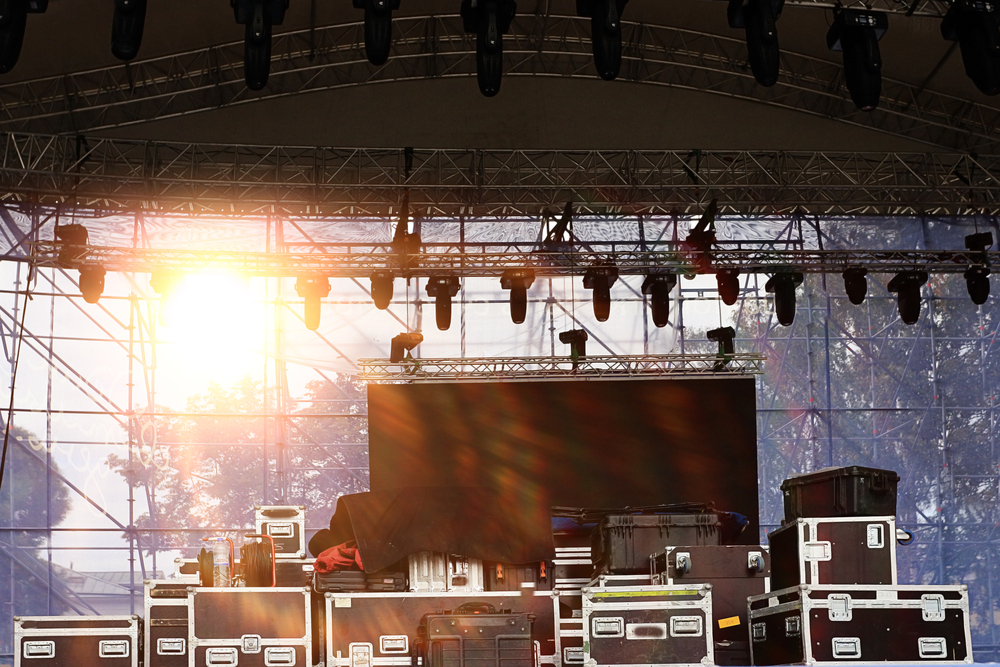
A successful event in Lawrenceville depends on more than what guests can see from the audience. Behind lighting, video displays, speakers, scenic elements, and signage is often a support system that must be planned carefully before anyone enters the room. Truss and rigging are part of that hidden infrastructure, and safety should guide every decision involving suspended or elevated equipment.
Quick answer: Truss is the structural framework commonly used to support event equipment, while rigging refers to the hardware, methods, attachment points, and procedures used to lift, secure, or suspend that equipment. Clients do not need to become rigging experts, but they should understand load limits, approved attachment points, equipment condition, qualified personnel, venue requirements, and weather considerations before approving an event setup.
What local clients should know
-
Truss and rigging should be planned around the actual weight and placement of lighting, audio, video, scenic, and other equipment.
-
Indoor venues in Lawrenceville and elsewhere in Gwinnett County may have specific rules governing where and how equipment can be suspended.
-
Outdoor events require additional planning because Georgia thunderstorms can produce lightning, strong winds, hail, and rapidly changing conditions.
-
Adding equipment after a rigging plan is established can change load calculations and may require the setup to be reviewed again.
-
A professional-looking setup is not automatically a safe setup. Capacity, attachment methods, inspection, and load distribution matter even when everything appears secure.
Why Truss and Rigging Safety Matters in Lawrenceville
Truss and rigging safety matters in Lawrenceville because event equipment can create significant overhead loads, while local venues and Georgia weather introduce conditions that must be considered before installation begins. Safe planning protects event crews, performers, attendees, equipment, and the venue itself while reducing the chance of last-minute changes that can disrupt an event.
Lawrenceville events range from corporate programs and community gatherings to concerts, presentations, celebrations, and outdoor productions. Venues throughout Gwinnett County can also differ substantially in ceiling structure, available rigging points, room dimensions, access, and facility policies.
The broader local event market includes Downtown Lawrenceville as well as nearby Duluth, Suwanee, Buford, Snellville, and Norcross. Large event environments in the region, including the Gas South District in Duluth, also illustrate the variety of spaces available to planners across Gwinnett County.
Entertainment Marketing Innovations, LLC understands that clients are often focused on what the finished event will look and sound like. Our role in the planning conversation is also to keep attention on the structural and operational details that make the finished production possible.
What OSHA Guidance Tells Clients About Rigging
OSHA guidance reinforces a basic principle every client should understand: rigging equipment must be suitable for the load, properly identified, inspected, and removed from service when defects create a hazard. These requirements are technical responsibilities for the professionals performing the work, but they also explain why experienced crews may reject shortcuts that appear convenient.
OSHA requirements for rigging equipment used in covered material-handling activities include inspection before use and restrictions against exceeding recommended safe working loads. Identification markings showing rated capacity are also an important part of determining whether equipment is appropriate for the task.
For a client, the practical lesson is simple. A shackle, sling, connection, motor, truss section, or attachment point should not be selected because it merely “looks strong enough.” Rigging decisions should be based on known capacities, compatible components, appropriate procedures, and the requirements that apply to the particular installation.
How Rigging Decisions Affect a Local Event
Rigging decisions affect a local event by determining where equipment can safely be positioned, how much can be suspended, how the stage or room can be configured, and how much installation time may be required. Those decisions can influence production design long before the first fixture or speaker is installed.
Imagine planning a Lawrenceville corporate event with a large video display, decorative lighting, flown speakers, and branded scenic pieces. Each item has weight, and each supporting component also contributes weight. The location of those loads matters just as much as the total.
That is why changes made late in the planning process can create complications. Adding another display, moving a speaker position, increasing the number of fixtures, or changing a scenic element may alter the original assumptions behind the setup.
The safest approach is to communicate production requirements early enough for the appropriate professionals and venue representatives to evaluate them.
Warning Signs That a Rigging Plan Needs More Attention
A rigging plan needs more attention whenever load information, attachment points, equipment ratings, responsibilities, or environmental conditions are unclear. Clients do not have to diagnose technical problems themselves, but they should feel comfortable asking questions when important details appear unresolved.
Watch for these warning signs:
-
No one can clearly explain where suspended equipment will be attached.
-
Equipment weight has changed significantly since the original production plan was created.
-
Additional lighting, speakers, video equipment, or scenic pieces are being added at the last minute.
-
Rigging hardware has missing or unreadable capacity markings.
-
A venue has not yet approved the proposed attachment locations or procedures when its approval is required.
-
Outdoor truss is being discussed without a clear weather and wind-response plan.
-
Different vendors appear uncertain about who is responsible for particular suspended elements.
-
Crew members are being pressured to continue despite an unresolved safety concern.
A delay caused by additional review is preferable to treating an uncertain overhead installation as a routine production detail.
When Clients Should Rely on Rigging Professionals
Clients should rely on qualified professionals whenever equipment will be lifted, suspended overhead, attached to structural points, or installed in a configuration requiring load calculations or specialized rigging knowledge. Visual inspection by an event planner or client is not a substitute for the technical evaluation required for an overhead system.
Clients can safely participate by confirming equipment requirements, communicating design changes, allowing adequate setup time, and asking whether venue approval is needed.
Technical decisions involving rated capacities, load paths, structural attachment, hoisting equipment, rigging hardware, and specialized inspection belong with people who have the appropriate knowledge and responsibility for that work.
In Lawrenceville and throughout Gwinnett County, venue requirements should also be addressed early. A plan that works in one ballroom, theater, warehouse, outdoor site, or meeting space may not automatically work in another.
Common Factors That Shape a Rigging Plan
The most common factors shaping a rigging plan are equipment weight, load distribution, available attachment points, venue restrictions, production layout, installation access, and environmental conditions. Each factor can change what is practical and appropriate for a particular Lawrenceville event.
1. Total suspended weight: Lighting fixtures, speakers, LED displays, scenic elements, cabling, motors, hardware, and truss all contribute to the load.
2. Load placement: Two systems with the same total weight may create very different demands depending on where the weight is concentrated.
3. Venue structure: Approved attachment locations and allowable loads can differ by facility.
4. Equipment configuration: A simple lighting truss and a complex multi-point production system require different levels of planning.
5. Access and installation: Loading areas, ceiling height, lifts, stage location, and room scheduling can affect how safely and efficiently equipment is installed.
6. Weather: Outdoor productions in North Georgia require particular attention to changing conditions.
How Georgia Weather Changes Outdoor Rigging Safety
Georgia weather changes outdoor rigging safety because thunderstorms can bring lightning, strong winds, hail, and rapidly changing conditions that affect exposed event structures. Gwinnett County emergency preparedness guidance specifically identifies thunderstorms and lightning as local hazards and advises securing outdoor objects and moving indoors when thunderstorms threaten.
Spring and summer are especially relevant for outdoor events around Lawrenceville. A clear afternoon during load-in does not eliminate the possibility of changing conditions later in the day.
Weather planning should therefore be part of production planning rather than an improvised decision made after a storm arrives. Outdoor events need clearly understood responsibilities for monitoring conditions and responding when established safety thresholds or procedures require action.
Clients should also understand that production teams may need to lower equipment, secure an area, stop work, postpone activity, or clear an outdoor location when conditions become unsafe.
How to Reduce Rigging Problems Before Event Day
The best way to reduce rigging problems before event day is to finalize production requirements early, share accurate equipment information, coordinate with the venue, and avoid unreviewed last-minute additions. Good communication gives everyone involved more time to identify limitations before they become expensive or disruptive.
For events around Lawrenceville, clients can help by confirming the venue and room first, providing accurate schedules, identifying major production elements, and communicating design changes as soon as they happen.
A useful pre-event checklist includes confirming:
-
The final lighting, audio, video, and scenic requirements
-
The approximate locations of major production elements
-
Venue policies affecting rigging or overhead installation
-
Required approvals or documentation
-
Load-in and setup access
-
Outdoor weather procedures when applicable
-
Which vendor or party is responsible for each portion of the system
DIY should stop where structural loads, overhead suspension, hoisting, or specialized rigging decisions begin.
What Clients Can Expect From a Properly Planned Setup
Clients can expect a properly planned setup to have clearly defined equipment locations, known responsibilities, appropriate hardware, sufficient installation time, and fewer surprises during load-in. Good planning does not mean that every event will be identical. It means decisions are made deliberately rather than through improvisation.
Professional event production often involves multiple teams working together. Audio, lighting, video, staging, scenic, venue operations, and other suppliers may each have requirements that affect the final configuration.
For a Lawrenceville event, early coordination can also help determine whether a desired visual concept fits the selected venue before significant time is invested in a design that may need substantial modification.
Common Rigging Mistakes Clients Can Help Prevent
Common rigging mistakes are often preventable when clients communicate changes early and avoid treating overhead equipment as an unlimited resource. Even when the technical work belongs to professionals, planning decisions made by the client can directly affect the production team.
Mistake: Adding equipment after the plan is finalized.
Consequence: Loads and positions may need to be reconsidered.
Better approach: Submit major production changes for review before event day.
Mistake: Assuming every ceiling point can support equipment.
Consequence: The desired installation may conflict with venue limitations.
Better approach: Confirm approved rigging locations through the proper venue and production channels.
Mistake: Choosing appearance over structural considerations.
Consequence: A design may not be practical in the selected space.
Better approach: Develop the visual design alongside technical planning.
Mistake: Treating outdoor truss like indoor truss.
Consequence: Weather exposure introduces risks that an indoor plan may not address.
Better approach: Include weather response procedures in outdoor production planning.
A Common Lawrenceville Event Scenario
A common Lawrenceville event scenario involves a client expanding the production concept after the venue and initial equipment package have already been selected. For example, a presentation may grow from basic lighting and projection into a larger design with additional displays, flown audio, branded scenic elements, or decorative fixtures.
Those additions may be completely achievable, but they should not simply be attached to the existing plan without review.
The production team may need to reconsider equipment placement, total weight, electrical needs, setup time, venue restrictions, or alternative support methods. Early communication keeps the conversation focused on workable options rather than rushed compromises during load-in.
Related Event Production Solutions
Related event production solutions can include ground-supported structures, flown production systems, lighting support, audio support, video display support, staging coordination, and venue-specific production planning. The right solution depends on the event design, the facility, equipment requirements, and the conditions under which the system will be used.
Not every production element needs to be suspended. In some circumstances, a ground-supported solution may accomplish the creative goal while better fitting the venue or event plan.
The important point for clients is that production design and structural support should be considered together.
Ground-Supported vs. Suspended Event Equipment
Ground-supported and suspended equipment can both be effective, but the appropriate choice depends on the venue, desired layout, available floor space, structural conditions, and production requirements. Clients should evaluate the complete event environment rather than assuming one method is automatically better.
Ground-supported truss may offer an alternative when overhead attachment is unavailable or unnecessary, although it introduces its own footprint, ballast, stabilization, access, and safety considerations.
Suspended systems can keep floor space open and create flexible production layouts when appropriate attachment points and capacities are available.
The best solution is the one that achieves the production objective while fitting the technical requirements of the space.
Event Production Service Areas Around Lawrenceville
Lawrenceville is part of a broader Gwinnett County event market that includes nearby Duluth, Suwanee, Buford, Snellville, and Norcross. Each venue and event site can present different structural, logistical, and production requirements, so planning should be specific to the actual location rather than copied from a previous event.
The Cost of Ignoring Rigging Questions
Ignoring rigging questions can lead to redesigns, delayed setup, equipment changes, restricted production elements, or unnecessary safety exposure when problems are discovered late. Resolving technical questions during planning gives clients and production teams more options than discovering them during installation.
The goal is not to make rigging sound intimidating. It is to recognize that equipment positioned above workers, performers, and attendees deserves careful attention.
Frequently Asked Questions About Truss and Rigging
What is event truss?
Event truss is a structural framework commonly used to support lighting, speakers, video equipment, scenic elements, and other production components. Its appropriate capacity depends on the specific truss, span, configuration, support method, load placement, and manufacturer information, so clients should never assume two similar-looking truss systems have identical capabilities.
Is rigging required for every Lawrenceville event?
No, rigging is not required for every Lawrenceville event because many productions can use floor stands, ground-supported truss, stages, or other support methods. Whether rigging is appropriate depends on the venue, event design, equipment, available floor space, and approved structural attachment options.
Can I add more lights to a truss after the plan is approved?
Additional lights should be reviewed before they are added because every fixture, cable, accessory, and piece of hardware contributes to the overall system. For a Lawrenceville production, communicate equipment changes before load-in so the responsible professionals can determine whether the existing plan remains appropriate.
Who decides where equipment can be rigged in a Gwinnett County venue?
Approved rigging locations are determined by the applicable venue requirements and the professionals responsible for evaluating the installation. A client or vendor should not assume that any convenient ceiling beam or structural element is an acceptable attachment point. Obtain venue-specific requirements during preproduction.
Does weather matter for outdoor truss in Lawrenceville?
Yes, weather is a major consideration for outdoor truss in Lawrenceville because Georgia thunderstorms can produce lightning and damaging winds. Outdoor production plans should address weather monitoring and response procedures before the event begins, with responsibilities and action thresholds understood by the appropriate team members.
Can truss simply be moved after equipment is installed?
Moving a loaded or configured truss system is not a casual event-day adjustment and should be handled according to the procedures appropriate for that system. Changing its position can affect equipment placement, cable routing, support conditions, clearances, and the overall production plan.
Why does a production team need equipment weights?
Equipment weights are necessary because safe support planning depends on knowing what loads will be applied and where they will be located. A Gwinnett County event involving lighting, video, speakers, scenic components, and truss may include many individual loads that need to be evaluated as part of the full configuration.
Should a client inspect rigging equipment personally?
Clients should not replace qualified inspection with their own visual check, although they should speak up if something appears damaged or concerning. Inspection of rigging equipment used in applicable operations belongs with the responsible professionals, who can evaluate markings, wear, damage, compatibility, capacity, and proper use.
Plan the Production Before Event Day
Good rigging safety starts with good communication. For events in Lawrenceville and throughout Gwinnett County, early coordination gives everyone involved more time to understand the venue, production design, equipment requirements, environmental conditions, and responsibilities before installation begins.
Build Your Lawrenceville Event on a Safer Production Plan
A great event should look polished to the audience while the technical planning behind it remains carefully controlled.